
Understanding the psychological triggers that influence casino behavior
The Allure of Uncertainty
The excitement of unpredictability plays a significant role in casino behavior. Players are often drawn to the thrill of not knowing what will happen next, especially when they explore options like sugar-mergeup.com. This element of surprise can create an adrenaline rush, making the experience more enjoyable. Gamblers often chase this sensation, leading to repeated visits to casinos, as each game offers a new opportunity for excitement.

Furthermore, the uncertainty associated with gambling can lead to cognitive biases, such as the illusion of control. Players may believe they can influence the outcome of a game, which can encourage continued play despite potential losses. This blend of excitement and cognitive distortion can create a cycle that keeps players engaged.
The Role of Environment
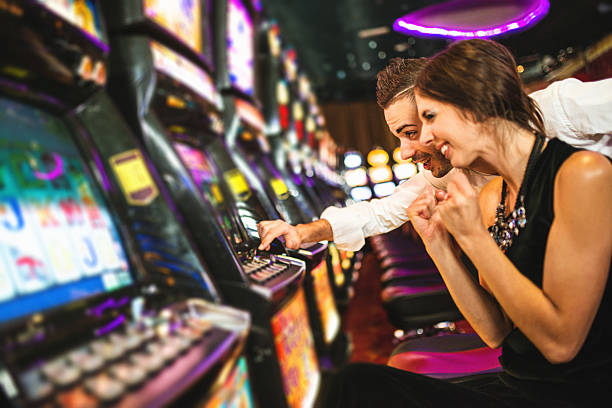
The casino environment is meticulously designed to enhance the gaming experience. Bright lights, vibrant colors, and engaging sounds stimulate the senses and create a festive atmosphere. This sensory overload can distract players from rational decision-making, encouraging them to spend more time and money.
Additionally, the layout of casinos often promotes a sense of disorientation, making it challenging for players to keep track of time. This manipulation of the physical space can lead to longer gaming sessions, as players become engrossed in the experience rather than monitoring their spending. The strategic use of design elements plays a critical role in influencing player behavior.
Social Dynamics in Gaming
The social aspect of gambling also significantly impacts player behavior. Casinos often foster a sense of community among players, creating an environment where social interactions can thrive. Engaging with others can enhance the enjoyment of gaming, making it a shared experience rather than a solitary activity.
Moreover, social reinforcement can influence decisions. Observing others win or discussing strategies can create a bandwagon effect, where players feel encouraged to join in or increase their bets. This social proof can drive players to gamble more than they originally intended, often leading to higher expenditure.
Psychological Ownership and Commitment
The concept of psychological ownership can also explain certain gambling behaviors. Players often feel a strong attachment to the money they wager, believing they have a stake in the outcome. This sense of ownership can make it difficult for players to walk away, even when faced with losses, as they perceive their investments as part of their identity.
Additionally, the commitment escalation phenomenon can occur when players continue to gamble to recoup losses. This mindset can lead to chasing losses, ultimately resulting in greater financial strain. Understanding these psychological factors is crucial for recognizing patterns in gambling behavior and promoting responsible gaming practices.
Responsible Gambling Resources
As the understanding of psychological triggers in casino behavior grows, the importance of responsible gambling becomes increasingly clear. Educating players about the psychological aspects of gambling can empower them to make informed decisions. Resources that highlight strategies for managing gambling behaviors are essential in fostering a safer gaming environment.
Furthermore, websites dedicated to promoting responsible gambling offer valuable insights and tools for individuals seeking to maintain control over their gaming activities. These resources emphasize the significance of awareness and personal responsibility, helping players engage with gambling in a healthier manner.