
Understanding the depths of gambling addiction and its consequences
Defining Gambling Addiction
Gambling addiction, often classified as a behavioral addiction, can severely impact an individual’s life. It is characterized by an uncontrollable urge to gamble despite the negative consequences that may arise. This condition can lead to severe emotional and financial distress, affecting not just the individual but also their family and social circles. Online platforms like https://bs22-casino.org/ have made gambling accessible, highlighting the importance of recognizing its addictive potential.
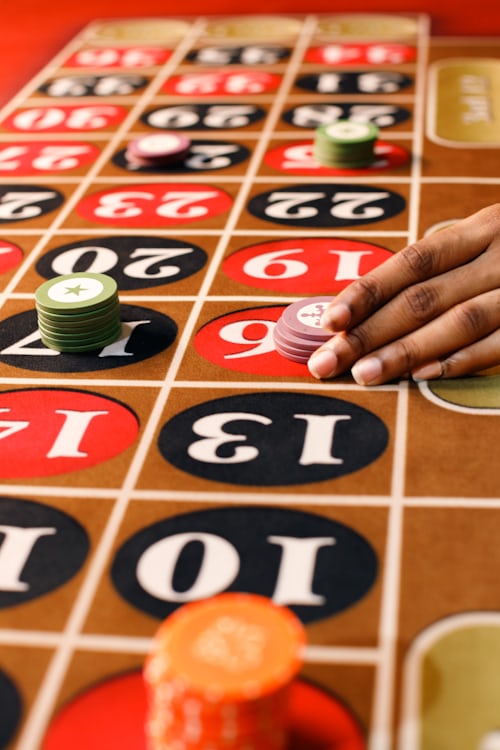
The psychological aspects of gambling addiction often involve a complex interplay of thrill-seeking behavior, stress relief, and escapism. Individuals may initially view gambling as a fun activity, but over time it can spiral into a compulsive behavior that dominates their thoughts and actions.
Signs and Symptoms of Gambling Addiction
Identifying the signs of gambling addiction is crucial for early intervention and recovery. Common indicators include preoccupation with gambling, the need to gamble with increasing amounts of money, and unsuccessful attempts to cut back or stop gambling altogether. Additionally, individuals may experience feelings of restlessness or irritability when not gambling.
Emotional symptoms often surface as well, including anxiety, depression, and feelings of guilt or shame. Recognizing these signs can be a vital step toward seeking help and addressing the addiction before it leads to more severe consequences.
The Consequences of Gambling Addiction
The consequences of gambling addiction are far-reaching and can devastate personal finances, relationships, and mental health. Financially, individuals may experience significant losses, leading to debt, bankruptcy, or even criminal behavior to fund their gambling habits. This financial strain often creates a ripple effect, impacting family members and loved ones who may not be aware of the issue.
Socially, gambling addiction can erode relationships, as trust diminishes and communication breaks down. Individuals may isolate themselves, choosing gambling over spending time with friends and family, which can lead to feelings of loneliness and despair. The mental toll can also be substantial, resulting in increased anxiety and depression, further complicating recovery efforts.
Treatment Options for Gambling Addiction
Addressing gambling addiction requires a multifaceted approach. Various treatment options are available, including therapy, support groups, and medication. Cognitive-behavioral therapy is particularly effective, helping individuals identify the thoughts and behaviors that contribute to their addiction and developing healthier coping mechanisms.
Support groups, such as Gamblers Anonymous, provide a community of individuals who share similar experiences, fostering a sense of understanding and accountability. Medication may also be prescribed to address underlying mental health issues, aiding in recovery and helping individuals regain control over their lives.

Online Gaming and Responsible Gambling Practices
In the current digital age, online gaming platforms have become increasingly popular, offering a wide range of gambling options. While these platforms provide entertainment, they also underscore the importance of responsible gambling practices. Setting limits on time and money spent is crucial in preventing the onset of gambling addiction.
Many online casinos now include features designed to promote responsible gambling, such as self-exclusion options and tools to monitor gambling habits. Educating oneself about the risks associated with gambling and recognizing the signs of addiction can create a safer gaming environment, ensuring that online entertainment remains a fun and enjoyable experience.